Core Program
Writing, music, play, and improvisation — taught as life skills, not performance skills.
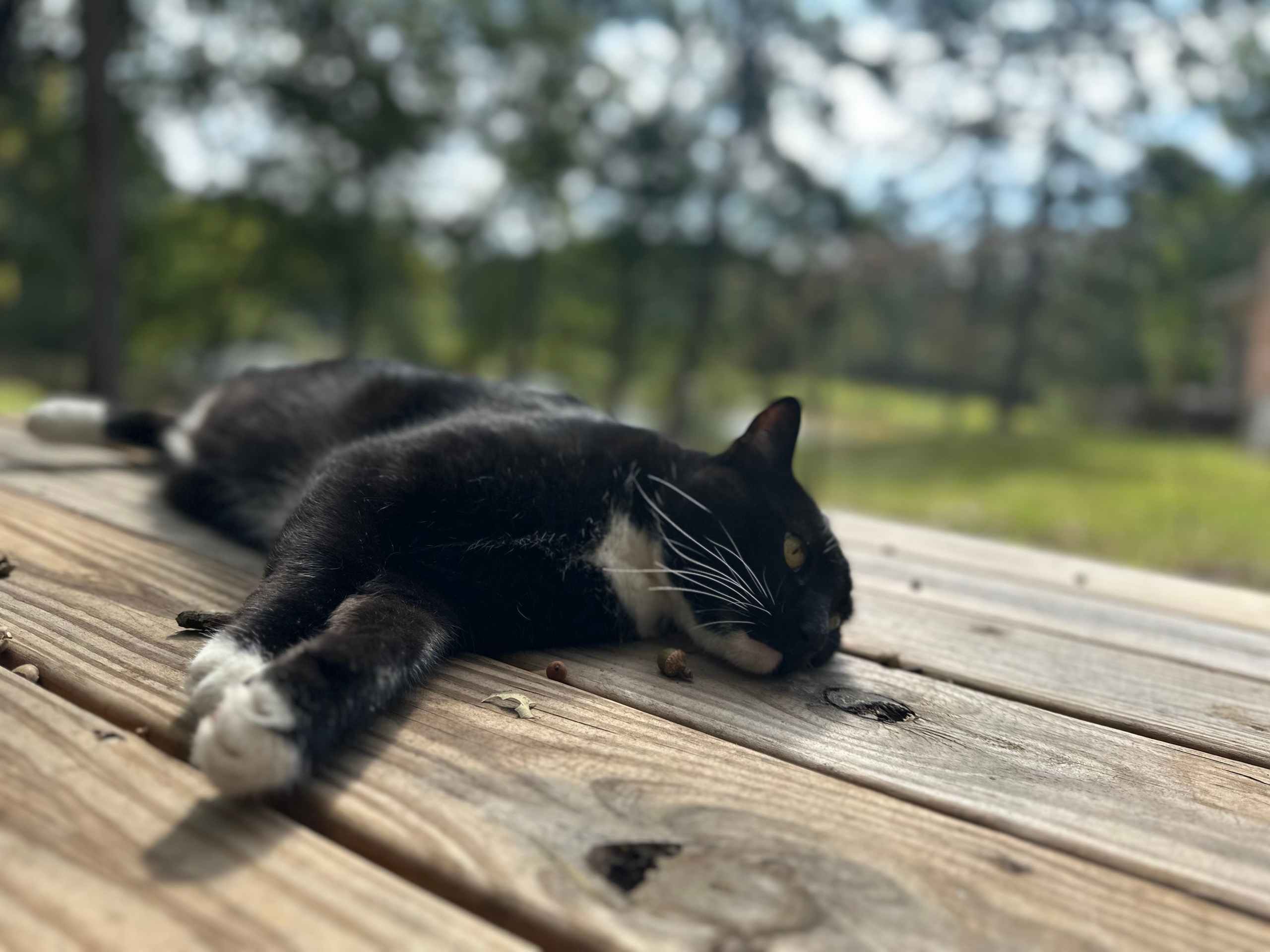
Creative practices are doorways. Most people can't just "be present" on demand. They need a way in — a game that makes them laugh before they're ready, a writing prompt that catches them off guard, a cat that sits on their notebook while they're trying to think.
The medical training taught how to think about what's actually wrong — not the story someone tells about their problem, but the underlying system. IT taught how to build frameworks that make overwhelming complexity navigable. Writing taught that people learn through story, not instruction. Improvisation taught that connection and joy are skills you practice, not feelings you wait for.
The way you learn to stop interfering with land is the same way you learn to stop fixing people.
Each practice teaches the same core skill — observation, presence, and response to what's actually happening — through a different doorway.
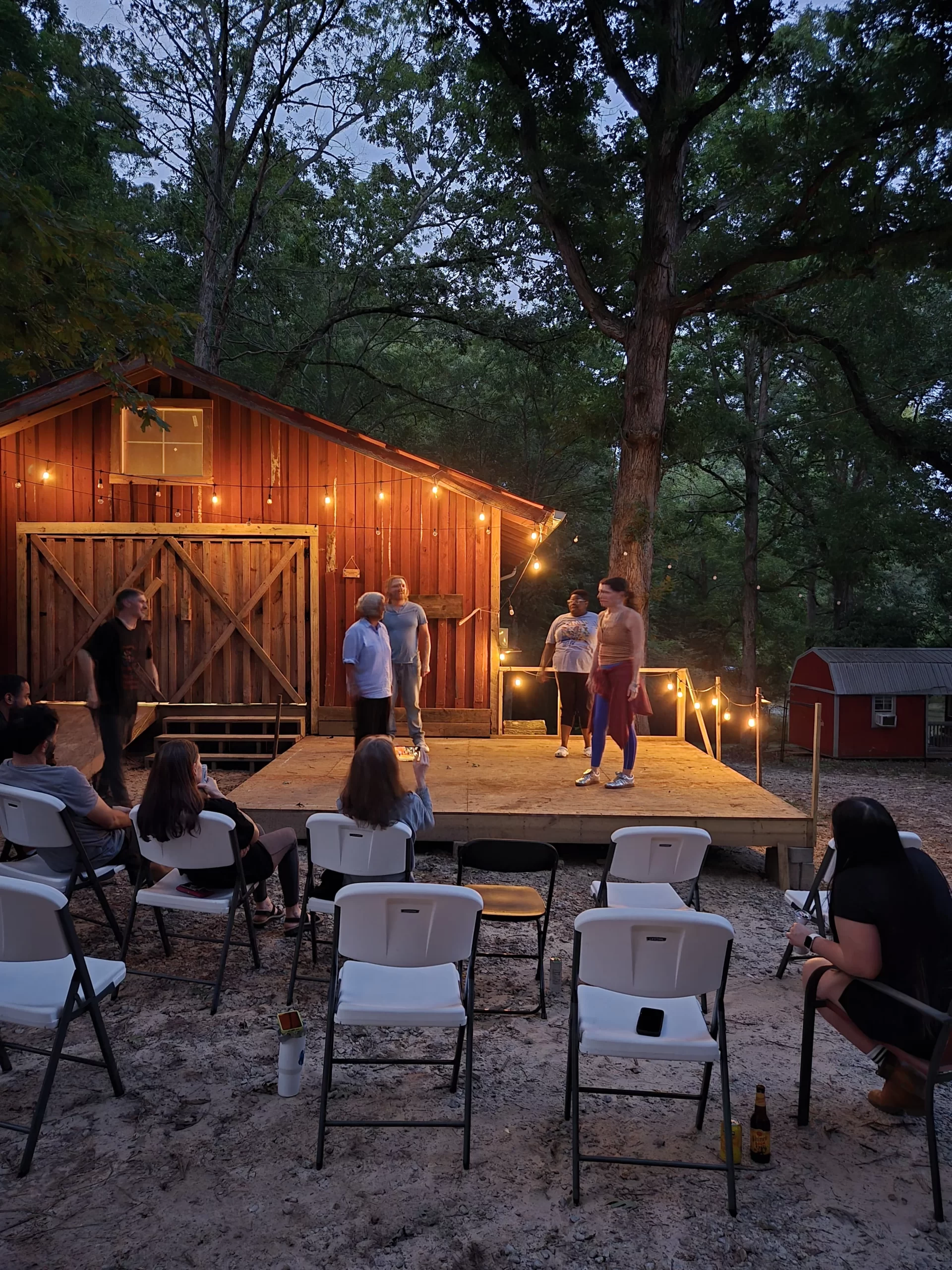
Trains real-time observation and response. You cannot plan or control what happens. You observe your partner, respond to what's actually happening, and trust the process. The same skill as reading an animal's behavior or reading what land needs.
Processes emotion through narrative and metaphor — how the brain naturally integrates difficult experience. A writing prompt that catches someone off guard can surface material they've been sitting on for years, because the creative frame makes it safe enough to look at.
Access states that verbal processing cannot reach. Music and play bypass the analytical brain and connect directly to something older and more honest. On real ground, around real animals, these doorways open faster and wider.
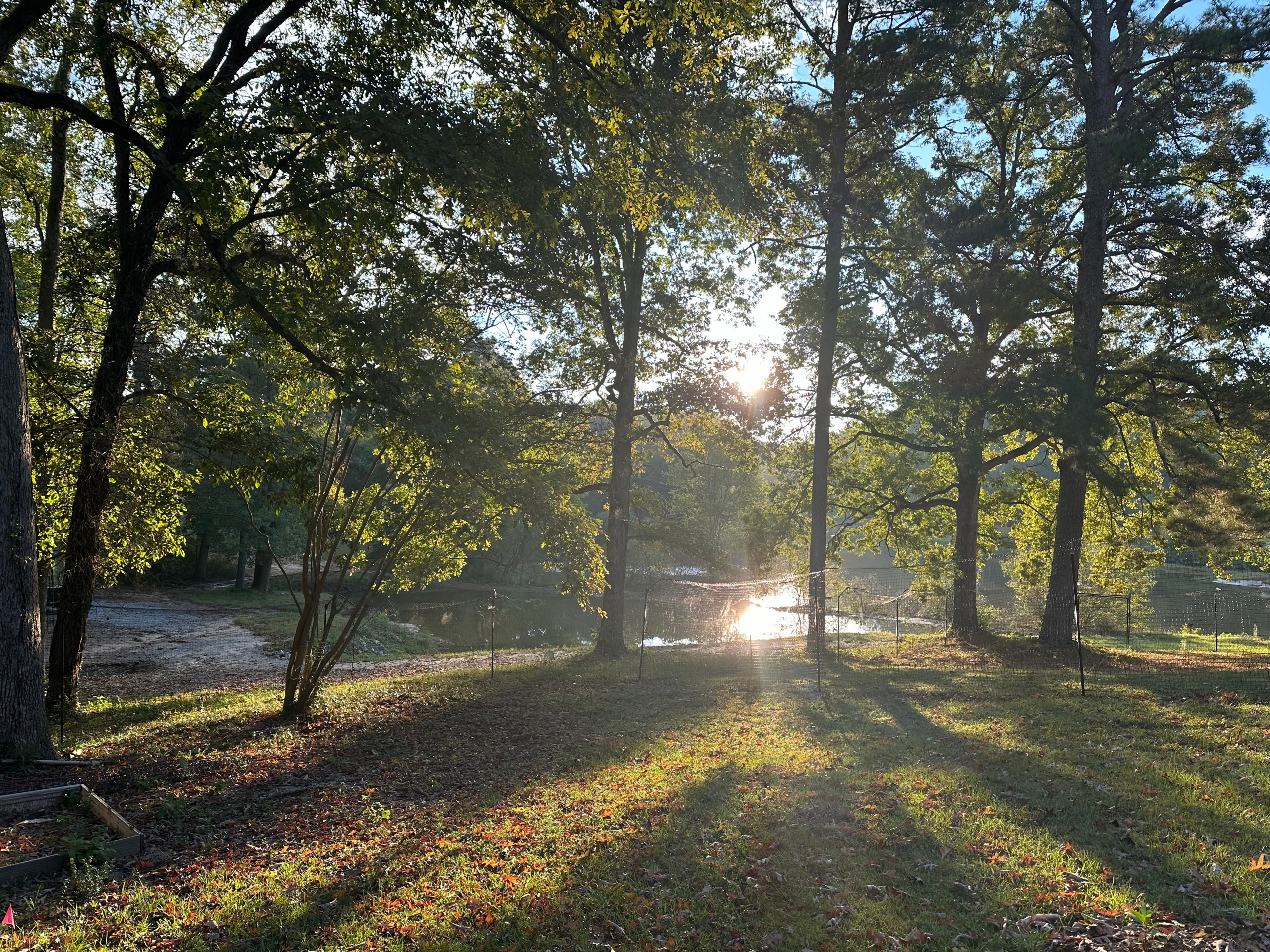
Creative flow states require low anxiety. A natural environment with settled animals actively reduces the anxiety that blocks flow entry. People access creative states faster and deeper on real ground around real animals than they do in a conference room. The environment does half the work before the facilitator says a word.
That safety is amplified when the physical environment is also signaling safety through every channel — settled animals, tended land, no performance pressure.
Creative practices connect the animals, the land, and the people — and keep the healing moving between all three.
Improvisation's foundational principle — accept what's offered and build on it — is functionally identical to permaculture's "work with what's here" and to good medicine's "observe before you diagnose." The training transfers directly across domains.
Creative flow states require challenge matched to skill, clear parameters, and immediate feedback. Improvisation games provide all three. A natural environment with settled animals provides the low-anxiety conditions that flow depends on.
Writing and music process emotion through narrative and metaphor — this is how the brain naturally integrates difficult experience, similar to what happens in REM sleep.
Social engagement through shared creative play activates the ventral vagal pathway — the part of the nervous system responsible for feelings of safety, connection, and belonging.
Creative practices are woven into every WGS program and are also available through Chara Community retreats.
Two hours. Uses improvisation games and observation exercises to teach one skill: seeing what's actually in front of you before reacting. Can run on the land or off-site.
Learn moreImprovisation, writing, and music retreats hosted on WGS land through Chara Community. A portion of every retreat supports the sanctuary.
Chara CommunityMonthly gatherings with communal land work, shared food, animal time, and a rotating creative practice.
Learn moreThe skills and experience are deep and proven across decades — on soccer teams, in novels, on improvisation stages, in IT consulting. Formal WGS programming is developing, with the June 20 Fair as the next event.
Every gift sustains this space — the animals, the land, and the programs that bring them together.
Donate Now